
 Blogs
Views: 0 Author: Site Editor Publish Time: 2026-05-11 Origin: Site


Custom packaging plays an important role in branding, product protection, and customer experience.
However, prices can vary greatly depending on several key factors.
Understanding these factors helps businesses make smarter decisions, control budgets, and achieve better value.
In this guide, we explain the main elements that influence custom packaging costs.

Material choice is one of the biggest cost factors in packaging.
Common materials include:
· Cardboard (Corrugated board)
· Kraft paper
· Rigid paperboard
· Specialty paper
Premium materials like rigid boxes or eco-friendly paper cost more.
Thicker materials improve durability but also increase price.
Packaging structure strongly affects production cost.
Simple designs:
· Mailer boxes
· Folding cartons
Complex designs:
· Magnetic closure boxes
· Drawer boxes
· Custom inserts
More complex structures require extra labor and tooling.
This increases die-cutting and assembly costs.
Box size directly impacts material usage and total cost.
Larger packaging uses more raw material.
It also increases shipping and storage costs.
✔ Proper sizing reduces waste
✔ It also improves cost efficiency
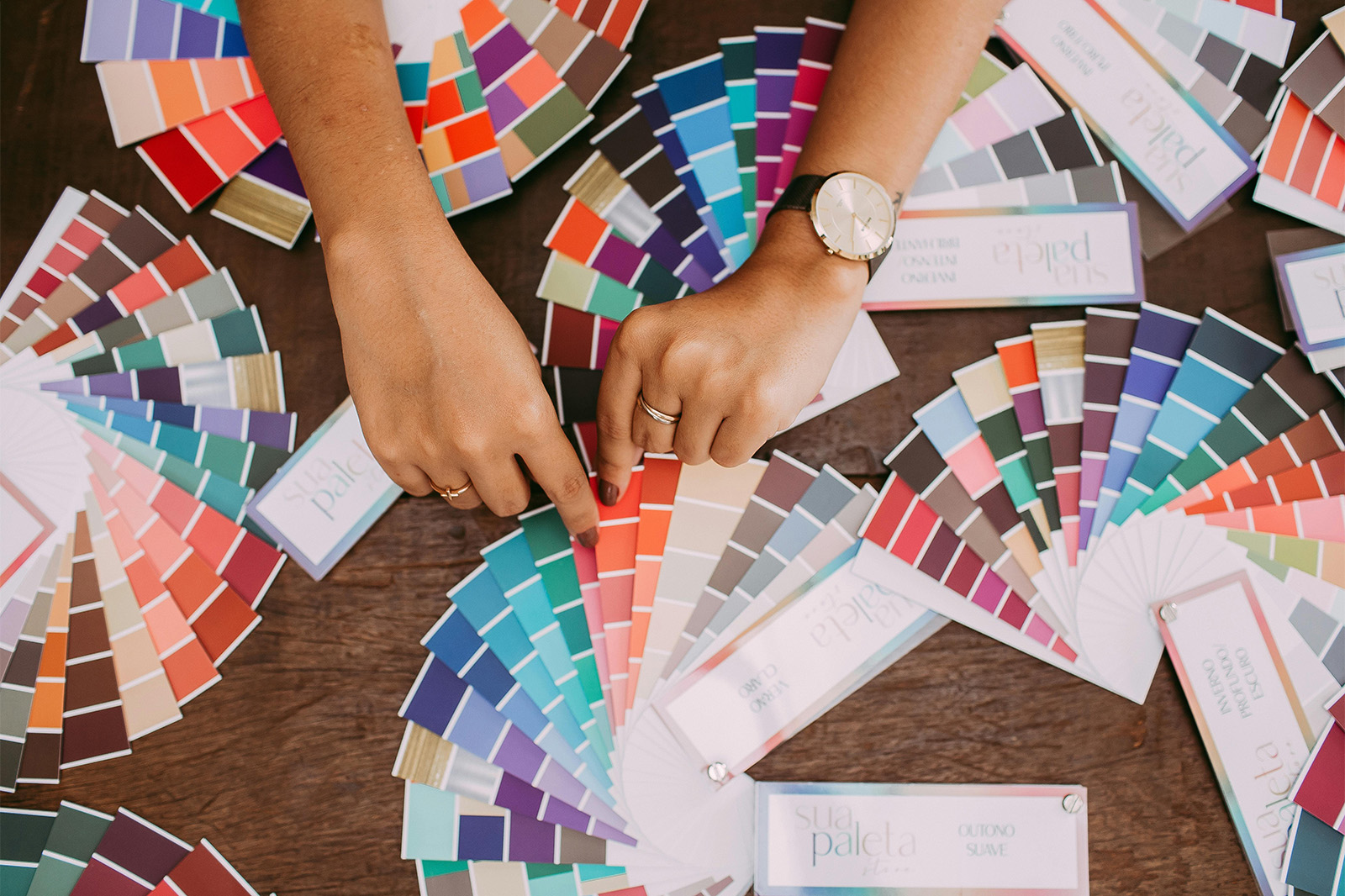
Printing is key for branding but affects pricing.
Main factors include:
· Number of colors (CMYK vs Pantone)
· Printing method (offset, digital, flexo)
· Ink coverage level
Full-color and heavy ink designs cost more.
Simple printing is usually more budget-friendly.
Finishing improves appearance and product value.
Common finishes:
· Matte / Gloss lamination
· UV coating
· Foil stamping
· Embossing / Debossing
Luxury finishes increase visual impact.
They also increase production cost.
Quantity strongly affects unit price.
⬇ Small orders = higher cost per unit
⬆ Large orders = lower cost per unit
Bulk production reduces setup costs.
It is more cost-effective for large runs.
Extra components improve protection and presentation.
Examples include:
· Foam inserts
· Paper dividers
· Fabric lining
· Ribbons and magnets
These features increase material and labor costs.
Use them when they add real value.
Delivery speed affects total cost.
Rush orders require extra labor and priority scheduling.
This usually increases production cost.
Standard timelines are more affordable.
Planning ahead helps save money.
Shipping is an important hidden cost factor.
Consider:
· Shipping distance
· Packaging weight
· International freight fees
Flat-packed boxes reduce shipping costs.
They also save storage space.

Higher customization increases complexity and cost.
Unique shapes and special designs require more work.
They also need extra design and prototyping.
Simple packaging is more cost-efficient.
Balance creativity with budget control.
Custom packaging pricing depends on many factors.
These include materials, structure, printing, size, and quantity.
Understanding these factors helps you make better decisions.
It allows you to balance cost, quality, and branding.
Working with an experienced manufacturer helps reduce costs.
It also ensures better quality and efficiency.


