
 Blogs
Views: 0 Author: Site Editor Publish Time: 2026-09-30 Origin: Site


For apparel and fashion brands, packaging is more than a way to protect clothing. It is part of the customer experience, brand presentation, and overall product delivery process. Whether you sell clothing through retail stores, e-commerce platforms, or wholesale channels, the right packaging helps present your products professionally while meeting practical requirements for storage, shipping, and handling.
However, choosing apparel packaging involves more than selecting an attractive box or bag. Brands need to consider garment type, packaging structure, material, printing, distribution channel, order quantity, and production requirements.
Fromcustom apparel boxes and apparel mailer boxes to paper shopping bags and corrugated shipping boxes, each packaging option serves a different purpose. Understanding these differences can help fashion businesses select packaging that aligns with their brand identity and operational needs.
This guide explores the key factors to consider when choosing packaging for apparel and fashion brands, from product selection and design to bulk manufacturing and supplier evaluation.
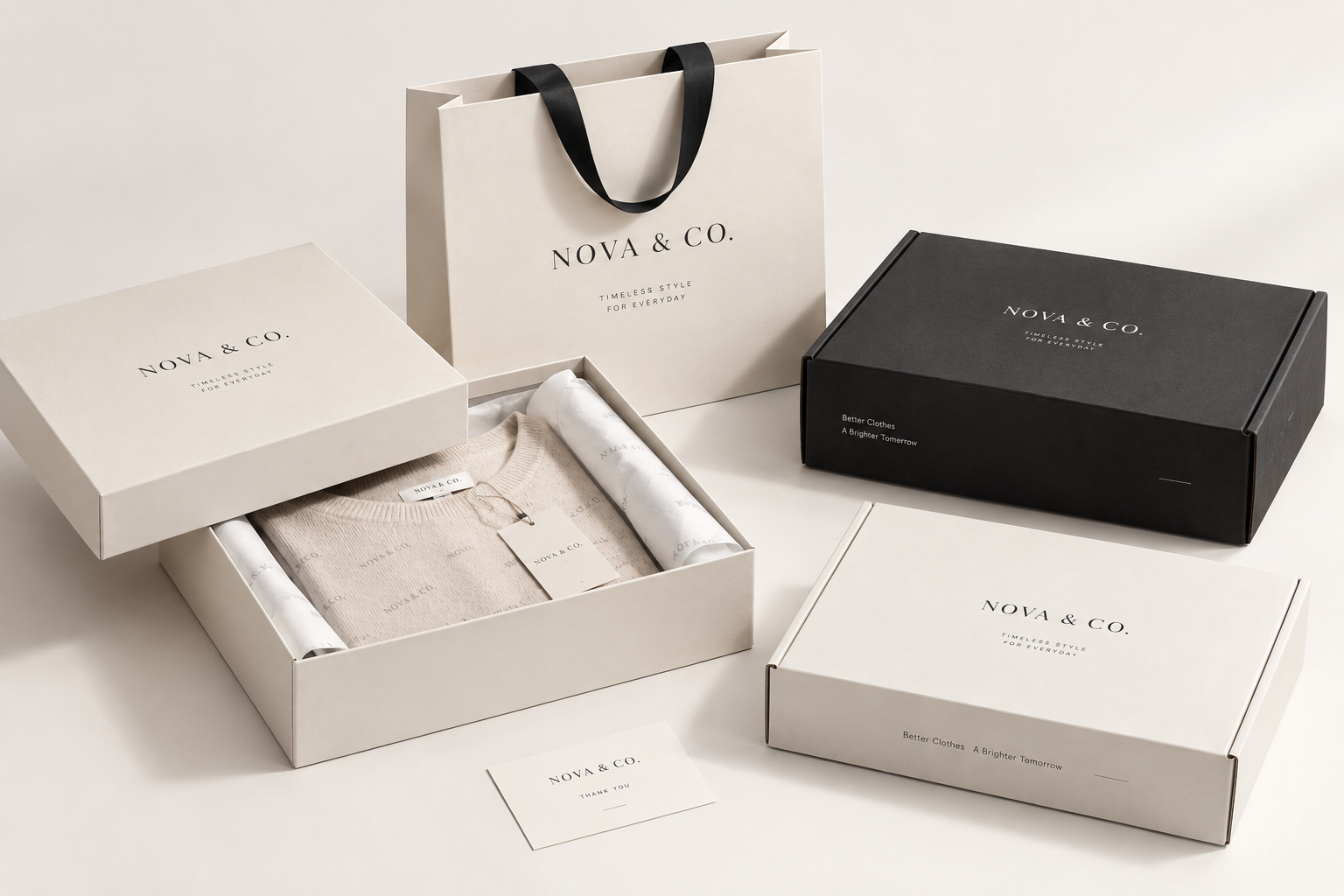
The first step in choosing apparel packaging is understanding the available packaging structures. Different formats serve different functions, depending on the garment, sales channel, and presentation requirements.
Rigid apparel boxes are commonly used for premium clothing, fashion gifts, limited-edition collections, and special retail presentations. Made from sturdy paperboard wrapped with printed or specialty paper, these boxes provide a firm structure and a refined appearance.
Common options include lid-and-base boxes, magnetic closure boxes, drawer boxes, and collapsible rigid boxes. Brands can customize the dimensions, colors, finishes, and inserts to suit their products and visual identity.
Rigid boxes are particularly useful when packaging is part of the gifting experience or when a brand wants a more substantial presentation. For example, a folded shirt, scarf, or fashion accessory can be arranged neatly inside a custom box with tissue paper or a paperboard insert.
Folding carton boxes are made from paperboard that is printed, die-cut, and folded into shape. They can be designed in various formats, such as tuck-end boxes, sleeve boxes, and other customized folding structures.
These boxes are suitable for lightweight apparel, accessories, socks, scarves, and smaller fashion products. Their flat-packed format before assembly can also help businesses manage storage and packaging operations.
Folding cartons offer flexibility in printing and finishing. Brands can incorporate product information, logos, seasonal artwork, and distinctive visual elements to create packaging that complements their collections.
Apparel mailer boxes are widely used by fashion brands selling through e-commerce channels. Their self-locking or tuck-in structures can provide a practical packaging format for preparing individual orders and presenting garments during delivery.
Mailer boxes can be customized with brand colors, printed messages, interior graphics, and inserts. A carefully designed interior can make the unboxing experience feel more personal, even for everyday clothing purchases.
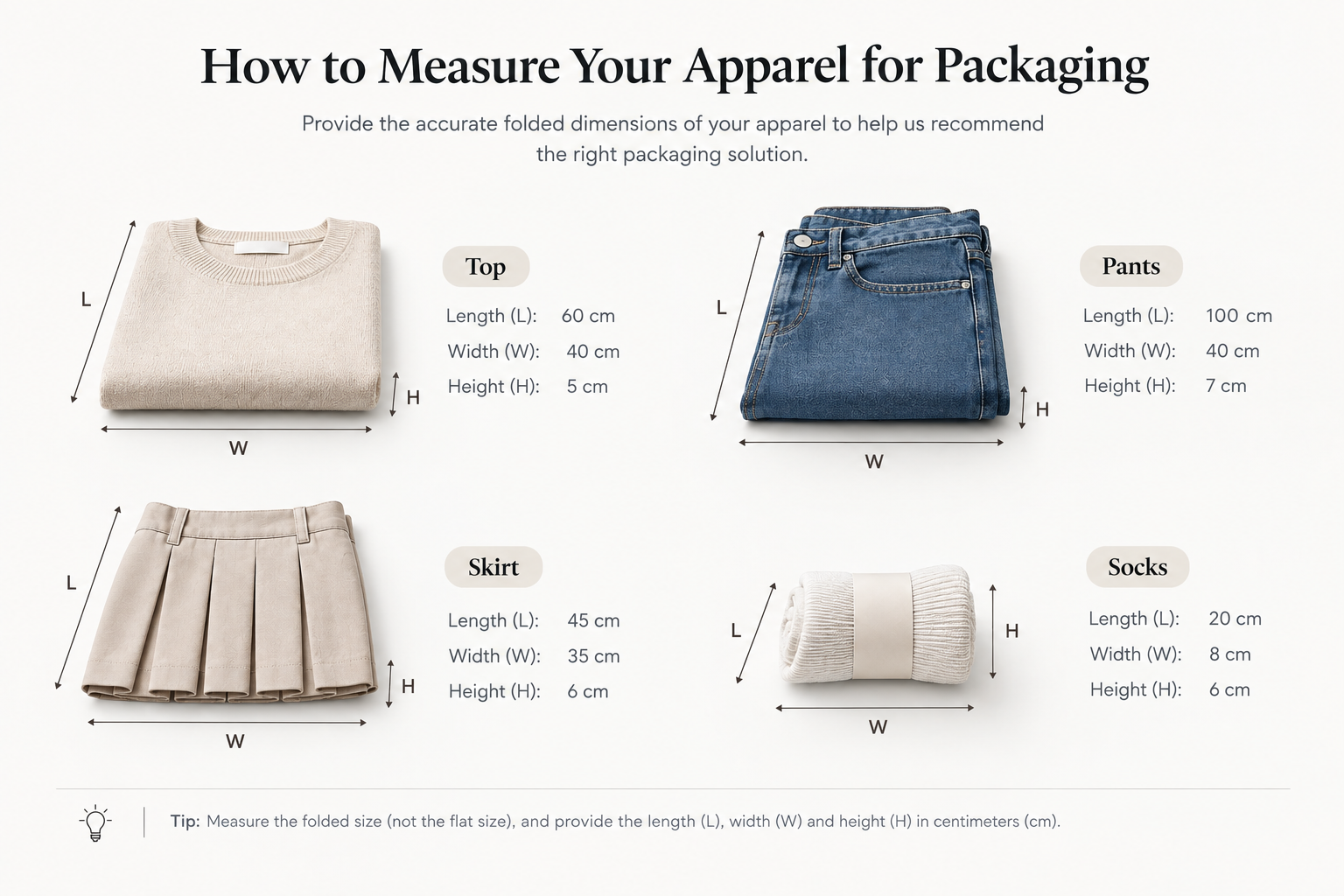
When selecting a mailer box, consider the folded dimensions of the garment, the required protection, the packing process, and the shipping method. The box should accommodate the product without excessive empty space while leaving room for tissue paper or other protective materials where needed.
Corrugated shipping boxes are designed primarily for transportation, storage, and handling. They are commonly used for bulk apparel shipments, warehouse distribution, and outer packaging for e-commerce orders.
Compared with presentation-focused packaging, shipping boxes prioritize structural performance and practical handling. Their size and corrugated material should be selected according to the weight of the packed garments, shipping conditions, and stacking requirements.
Fashion brands may also use custom-printed corrugated boxes to maintain brand recognition throughout the delivery process.
Custom paper shopping bags are frequently used by fashion retailers for in-store purchases, promotional events, pop-up shops, and gift packaging. They provide a convenient way for customers to carry clothing while extending the brand’s visual presence beyond the store.
Paper bags can be customized with different paper stocks, handle styles, dimensions, printing, and surface finishes. For fashion retail, a coordinated design across shopping bags, apparel boxes, and tissue paper can help create a consistent brand presentation.
Different garments have different sizes, shapes, weights, and folding requirements. Choosing packaging according to the product helps ensure a suitable fit, practical packing, and a well-organized presentation.
Lightweight garments such as T-shirts, shirts, and tops can often be folded into compact formats. Depending on the brand’s positioning and sales channel, suitable options may include folding cartons, apparel mailer boxes, or paper bags.
For e-commerce orders, mailer boxes can accommodate folded garments and branded inserts. For retail purchases, paper bags or compact folding boxes may be more convenient.
Dresses, sweaters, and other garments that require more careful presentation may benefit from larger boxes or customized packaging structures. The internal dimensions should allow the garment to be folded neatly without unnecessary compression.
For premium collections or gift sets, rigid boxes can provide a more structured presentation. Tissue paper, paperboard supports, or other suitable inserts can help keep the garment arranged inside the package.
Accessories such as scarves, ties, belts, and small fashion items may require smaller boxes or compartments to keep products organized. For coordinated gift sets, a custom box with separate sections can accommodate multiple items in one package.
Packaging dimensions and insert layouts should be determined based on the actual products, rather than relying on a generic box size.
Key considerations when matching packaging to apparel include:
Garment dimensions when folded or arranged for presentation.
Product weight and the level of protection required.
Whether the packaging is intended for retail display, gifting, shipping, or a combination of uses.
The need for inserts, tissue paper, labels, or other packaging accessories.
The available space for storage, packing, and transportation.
Packaging is an important part of a fashion brand’s visual identity. Colors, typography, materials, and structural details can all influence how customers perceive a product before they open the package.
A consistent packaging design should reflect the brand’s target audience, product range, and overall visual direction. Minimalist brands may prefer clean layouts and restrained colors, while playful or seasonal collections may use more expressive graphics and distinctive colors.
For fashion businesses with multiple product lines, a coordinated packaging system can help maintain brand consistency while allowing individual collections to have their own visual identity.
Printing and surface finishing can add visual and tactile details to apparel packaging. Depending on the selected material and structure, customization options may include:
CMYK or Pantone printing for brand colors, patterns, and artwork.
Matte or gloss lamination to change the surface appearance and provide an additional protective layer.
Foil stamping to highlight logos or selected graphic elements.
Embossing or debossing to create raised or recessed details.
Spot UV to add contrast and selective gloss to specific areas.
Specialty paper to introduce different textures and visual effects.
Not every finishing technique is necessary for every packaging project. The most suitable combination depends on the artwork, material, packaging structure, and intended brand presentation.
Fashion brands may use several types of packaging across retail stores, e-commerce orders, promotional campaigns, and gift collections. Coordinating the design of boxes, bags, labels, and inserts can create a recognizable visual system.
For example, a brand might use a printed mailer box for online orders, a matching paper bag for retail purchases, and a rigid gift box for selected collections. Consistent logo placement, colors, and graphic elements can connect these formats without requiring every package to have the same structure.
The sales channel has a significant influence on packaging requirements. Retail packaging often focuses on product presentation and convenience, while e-commerce packaging must also accommodate packing, transportation, and delivery.
In physical retail environments, packaging may contribute to shelf presentation, customer handling, and the shopping experience. Paper shopping bags are suitable for carrying purchases, while boxes can be used for selected apparel products, accessories, and gift collections.
Retail packaging should consider the available display space, ease of handling, and how customers will carry the products after purchase. For brands selling across multiple stores, consistent dimensions and artwork can also simplify packaging management.
E-commerce apparel packaging needs to accommodate the garment, order preparation process, and delivery requirements. Mailer boxes are a common choice for individual clothing orders, while corrugated shipping boxes may be used for larger or consolidated shipments.
Before finalizing an e-commerce package, brands should evaluate:
The folded dimensions and quantity of garments per order.
The packing process and how quickly orders need to be prepared.
The shipping method and expected handling conditions.
The need for protective materials, labels, or inserts.
The balance between product presentation and practical package dimensions.
A well-planned packaging format can help streamline order fulfillment while maintaining a consistent brand experience.
Wholesale and bulk apparel shipments often require packaging that supports efficient packing, storage, and transportation. Inner packaging may protect and organize individual garments, while outer corrugated cartons can be used for consolidated shipments.
For these projects, packaging dimensions, carton quantities, stacking requirements, and shipping arrangements should be discussed early in the planning process.
Material selection affects packaging appearance, structure, print quality, and handling performance. Fashion brands should consider the intended packaging function and the product’s requirements when selecting materials.
Paperboard is commonly used for folding cartons and many types of printed apparel packaging. It can support a range of printing and finishing options and is available in different thicknesses and specifications.
For packaging that requires a more rigid structure, paperboard may also be used as the outer wrapping material over a thicker board core, depending on the box design.
Corrugated board is commonly selected for shipping and distribution packaging because its fluted structure provides cushioning and rigidity. The appropriate board grade and construction depend on package dimensions, product weight, and transportation conditions.
For larger shipments, brands should confirm the carton’s required strength and stacking performance with their packaging supplier.
Some apparel packaging projects require more than an outer box. Inserts, dividers, tissue paper, paper cards, ribbons, or labels may be used to organize products and complete the presentation.
For example, a fashion gift set containing a scarf and accessories may need separate compartments, while a single folded garment may only require tissue paper or a simple paperboard support.
Many fashion brands consider material sourcing, recyclability, and packaging waste as part of their packaging decisions. Paper-based packaging can be designed with recycling in mind, but its recyclability depends on the specific materials, coatings, laminations, adhesives, and local recycling systems.
If sustainability is a purchasing requirement, discuss the material composition and relevant certification documentation with the supplier. Avoid assuming that every paper-based package is automatically recyclable or certified.
Before placing a packaging order, fashion brands should understand the supplier’s minimum order quantity (MOQ), sampling process, production lead time, and customization capabilities.
MOQ varies according to the packaging structure, material, printing method, finishing requirements, and production setup. A standard order quantity for custom packaging may differ significantly between rigid boxes, folding cartons, mailer boxes, and paper bags.
Brands planning recurring collections or seasonal launches should consider both their immediate packaging needs and expected future demand. Discussing the quantity in advance can help the supplier recommend a suitable production approach.
A physical sample allows the brand to review the packaging structure, dimensions, material, printing, and finishing before approving mass production.
For apparel packaging, the sample should ideally be tested with the actual garment or a representative product. This helps confirm that the item fits properly, folds as expected, and can be packed efficiently.
Where necessary, brands can request structural samples, printed samples, or pre-production samples depending on the project requirements.
Packaging timelines depend on design approval, material availability, sampling, production complexity, order quantity, and shipping arrangements. Seasonal collections and promotional campaigns should allow sufficient time for design development, sample review, production, and delivery.
Providing complete artwork, accurate product dimensions, and clear packaging specifications early in the process can help reduce avoidable revisions.
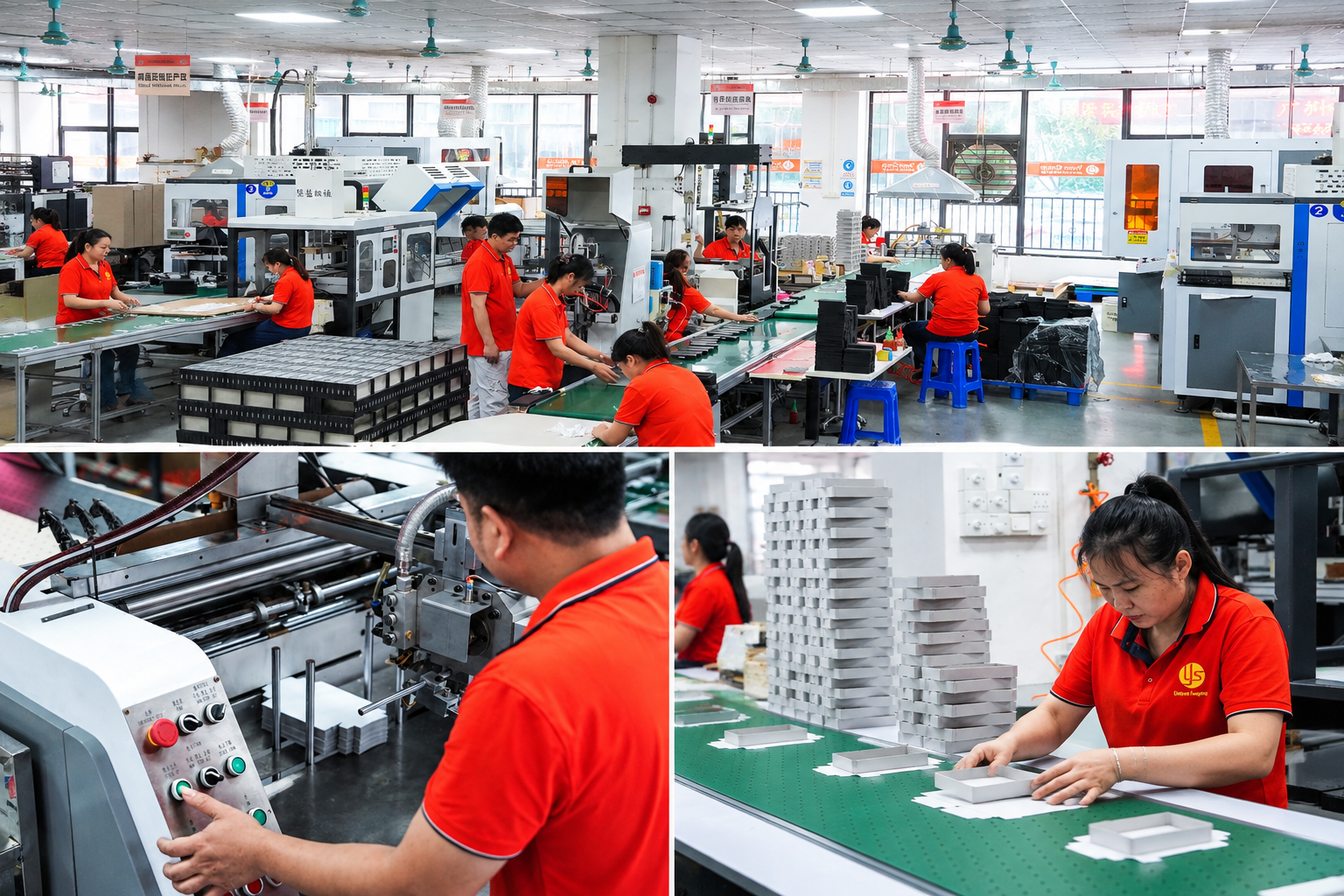
Selecting a suitable packaging supplier is an important part of developing a reliable packaging program. In addition to pricing, apparel brands should evaluate the supplier’s product range, customization capabilities, quality management, communication, and experience with bulk orders.
A supplier offering multiple packaging structures may be able to support different requirements across a fashion brand’s product range. Check whether the supplier can produce the required box styles, paper bags, inserts, printing, and finishing options.
It is also useful to confirm whether the supplier provides structural design support, artwork preparation guidance, and sample development.
For recurring or bulk packaging orders, consistent production quality is important. Brands should ask about material inspection, printing checks, structural testing where applicable, and finished-product inspection procedures.
If the project involves multiple packaging formats, confirm how specifications, colors, and approved samples will be maintained across production runs.
Clear communication helps ensure that packaging specifications, artwork, sample feedback, and delivery requirements are understood. Before starting a project, confirm the supplier’s process for quotation, sampling, approval, production updates, and shipment coordination.
A supplier with experience in custom paper packaging may also help identify practical adjustments to the structure, material, or packaging layout based on the project’s requirements.
For brands with seasonal collections, multiple product lines, or recurring orders, it can be useful to evaluate whether a supplier can support ongoing production and consistent specifications. Discuss expected order volumes, repeat-order procedures, and plans for future packaging updates.
Guangzhou Yison Printing Co., Ltd. provides custom paper packaging solutions for apparel, retail, and e-commerce applications, including rigid boxes, folding cartons, mailer boxes, shipping boxes, and paper bags. Brands can discuss their product dimensions, artwork, materials, and order requirements when developing a packaging project.
Before confirming a packaging order, apparel brands can use the following checklist to review the main project requirements.
| Consideration | Questions to Ask |
| Product type | What garments or fashion accessories will be packed? |
| Packaging structure | Is a rigid box, folding carton, mailer box, shipping box, or paper bag required? |
| Dimensions | Does the package fit the garment when folded or arranged? |
| Brand design | Does the packaging reflect the brand’s visual identity and collection? |
| Printing and finishing | Which printing methods, surface finishes, or special details are needed? |
| Sales channel | Is the packaging intended for retail, e-commerce, gifting, wholesale, or shipping? |
| Materials | Which paperboard, specialty paper, or corrugated material suits the application? |
| Inserts and accessories | Are tissue paper, dividers, labels, or other components required? |
| MOQ | Does the order quantity meet the supplier’s production requirements? |
| Sampling | Has the sample been reviewed with the actual garment or representative product? |
| Quality control | Are the approved specifications and inspection requirements clearly defined? |
| Delivery | Does the production and shipping schedule align with the launch or replenishment plan? |
Reviewing these details before production can help brands communicate their requirements clearly and select packaging that supports both product presentation and operational needs.
Choosing the right packaging for apparel and fashion brands requires a balance of presentation, product fit, material selection, distribution needs, and production planning. Rigid boxes can support gift-oriented and premium presentations, folding cartons offer versatile packaging formats, mailer boxes suit many e-commerce orders, corrugated boxes support shipping, and paper bags serve retail and promotional needs.
The most suitable solution depends on the garments, sales channels, brand identity, and order requirements. By defining these factors early and reviewing samples before bulk production, fashion businesses can develop a packaging system that is practical, consistent, and aligned with their brand.
Guangzhou Yison Printing provides custom paper packaging solutions for apparel, retail, and e-commerce brands, supporting packaging projects from structural and graphic customization to sampling and bulk production.
Planning a new apparel packaging project? Share your product dimensions, preferred packaging structure, artwork, and estimated order quantity with our team to discuss a suitable custom packaging solution.
Common apparel packaging options include rigid apparel boxes, folding carton boxes, apparel mailer boxes, corrugated shipping boxes, and custom paper shopping bags. The suitable format depends on the garment, sales channel, brand presentation, and shipping requirements.
Yes. Mailer boxes are commonly used for individual apparel orders because they can be customized to fit folded garments and accommodate branded inserts or tissue paper. The dimensions and material should be selected according to the product and shipping conditions.
Brands should prepare the garment dimensions when folded, preferred packaging structure, order quantity, artwork or logo, material preferences, printing requirements, finishing details, and delivery destination. These details help the supplier assess the project and prepare a quotation.
Yes. Custom paper packaging can incorporate brand logos, colors, graphics, and selected finishing effects. Options may include CMYK or Pantone printing, matte or gloss lamination, foil stamping, embossing, debossing, and spot UV, depending on the structure and material.
MOQ varies by packaging type, material, printing process, and production requirements. Brands should confirm the MOQ for their selected structure and estimated quantity with the supplier before proceeding to sampling or bulk production.
A sample is recommended because it allows brands to check dimensions, structure, material, print appearance, finishing, and product fit before approving a bulk order. Testing the sample with the actual garment can also help identify packing or presentation issues.
Some custom packaging manufacturers offer multiple paper packaging formats, such as rigid boxes, folding cartons, mailer boxes, shipping boxes, and paper bags. Brands can confirm the supplier’s production capabilities and discuss whether different formats can be coordinated within one packaging project.


