
 Blogs
Views: 0 Author: Site Editor Publish Time: 2026-09-15 Origin: Site


Choosing the right custom packaging manufacturer is an important decision for brands that rely on packaging for retail, e-commerce, product protection, and brand presentation. The right partner should provide more than customized boxes. Manufacturing capability, material options, quality control, sampling, lead times, logistics, and communication all affect the success of a packaging project.
For businesses placing bulk orders, working with a manufacturer that can consistently deliver the required specifications is especially important. This guide explains the key factors to consider when choosing a custom packaging manufacturer, from production capabilities and design support to quality control and international shipping.
For brands looking for a long-term packaging partner, Yison Printing is one example of a custom paper packaging manufacturer that combines design support, bulk production, quality control, and international project coordination under one workflow.
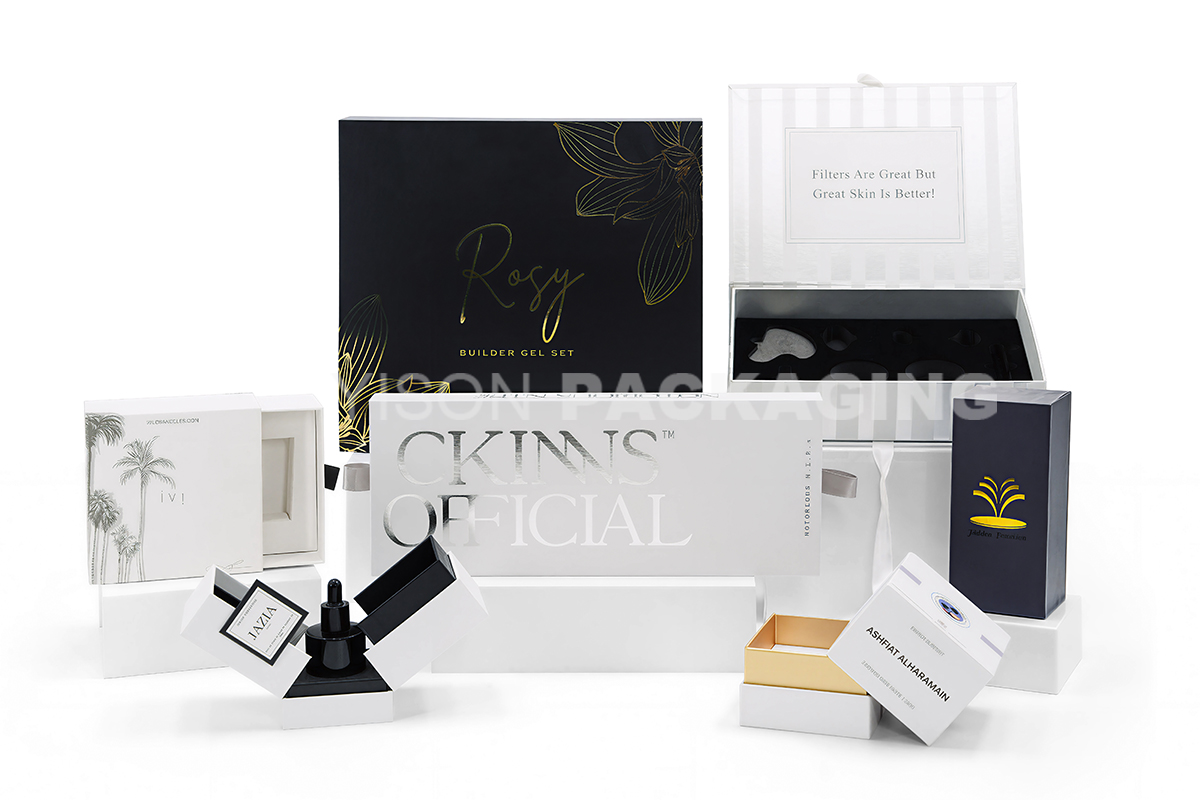
Before comparing packaging manufacturers, clearly define what you need. A manufacturer may specialize in certain packaging structures, materials, industries, or order volumes, so your requirements should be established first.
Start by determining the type of packaging required for your products.
Common options include:
Shipping boxes
Apparel boxes
Shoe boxes
Paper bags
Retail packaging
E-commerce packaging
For example, an e-commerce brand may prioritize mailer boxes and shipping boxes, while an apparel company may need custom clothing boxes, shoe boxes, or paper bags.
Order quantity is another important consideration.
A manufacturer suitable for small sample orders may not necessarily be suitable for regular bulk production. Before requesting quotations, estimate your initial order quantity and, if possible, your expected monthly or annual packaging demand.
For bulk packaging projects, ask manufacturers about:
Minimum order quantity
Monthly production capacity
Production lines
Lead times
Ability to scale production
This helps you determine whether the manufacturer can support your current requirements as well as future purchasing needs.
Custom packaging can involve many variables, including:
Box structure
Dimensions
Paper or board material
Printing
Logo
Colors
Surface finishing
Inserts
Ribbons
Magnets
Windows
Having these requirements prepared makes it easier to compare manufacturers accurately.
Once your packaging requirements are clear, evaluate whether the manufacturer has the production capability to handle your project.
A professional packaging manufacturer should be able to provide clear information about its production facilities, machinery, workforce, production lines, and capacity.
Production scale can provide useful insight into whether a manufacturer is prepared for large or recurring orders.
Look for information such as:
Production area
Number of production lines
Manufacturing equipment
Workforce
Production processes
However, factory size alone should not determine your decision. What matters is whether the manufacturer's actual production capabilities match your packaging requirements.
For brands placing bulk packaging orders, production capacity is particularly important.
A manufacturer with sufficient capacity should be able to manage large-volume orders while maintaining consistent quality and delivery schedules.
For example, Yison Printing has:
15+ years of experience
13,000+ m² production facility
10+ production lines
500,000 boxes monthly capacity
50+ advanced machines
200+ employees
These figures provide buyers with a clearer understanding of the company's manufacturing scale.
When comparing suppliers, it is also useful to understand which manufacturing processes are handled in-house.
An integrated production process can make communication and project management easier because different stages of the packaging process can be coordinated within one manufacturing system.
For custom paper packaging, this can include:
Printing → Die Cutting → Folding → Surface Finishing → Assembly → QC → Packing
A packaging manufacturer should not only be able to produce your approved design but also help turn packaging concepts into manufacturable products.
Packaging structure affects both appearance and usability.
Depending on the project, manufacturers may provide support with:
Box dimensions
Opening mechanisms
Folding structures
Internal compartments
Product inserts
Magnetic closures
Ribbon closures
For example, a rigid gift box may require a completely different structural approach from a folding carton or mailer box.
Graphic preparation is another important part of custom packaging development.
Manufacturers should be able to work with commonly used artwork formats such as:
AI
PSD
Vector files
They should also be able to confirm printing specifications, colors, dimensions, and finishing requirements before production.
Before placing a large order, requesting a physical sample is strongly recommended.
A sample allows you to evaluate:
Structure
Dimensions
Material
Color
Printing
Finishing
Inserts
Overall presentation
A sample approval process can help identify issues before mass production begins.
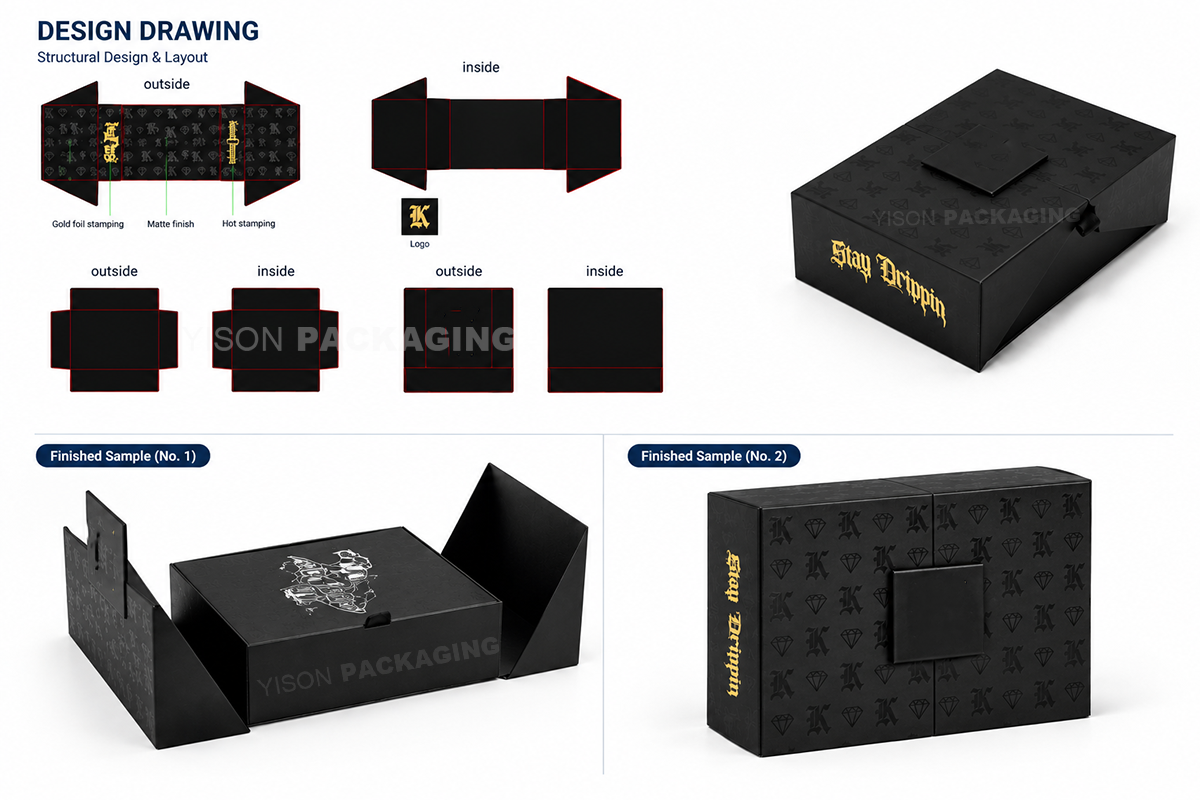
The materials and printing methods available from a packaging manufacturer directly affect the appearance, structure, durability, and overall presentation of your packaging.
Depending on the packaging structure and application, common paper-based materials include:
Art paper
Kraft paper
Greyboard / rigid board
Corrugated board
Recyclable paper-based materials
The right material depends on factors such as box structure, product weight, transportation requirements, printing requirements, and desired appearance.
Important: Material selection should be discussed with the manufacturer based on the actual packaging application rather than choosing a material based only on appearance.
Depending on the project, custom packaging may use:
CMYK printing
Pantone colors
Offset printing
Digital printing for selected applications
Color consistency becomes particularly important for brands that use packaging across different products or production batches.
Surface finishing can add visual and tactile details to packaging.
Popular options include:
Foil stamping
Embossing
Debossing
Spot UV
Matte lamination
Gloss lamination
Textured paper
A high-quality sample does not necessarily guarantee consistent bulk production.
When choosing a packaging manufacturer, ask about the company's quality control procedures throughout the production process.
Quality control can begin before production starts.
Manufacturers should check factors such as:
Material specifications
Paper thickness
Surface condition
Color consistency
During manufacturing, quality inspections may cover:
Printing
Die cutting
Folding
Gluing
Surface finishing
Assembly
Box structure
For complex packaging, structural accuracy can be especially important because small deviations may affect how a box closes or opens.
During manufacturing, quality inspections may cover:
Printing
Die cutting
Folding
Gluing
Surface finishing
Assembly
Box structure
For complex packaging, structural accuracy can be especially important because small deviations may affect how a box closes or opens.
For large-volume orders, consistency is often more important than a single perfect sample.
A reliable manufacturer should have standardized production and inspection procedures that help maintain similar quality throughout the order.
Price is naturally an important part of supplier selection, but it should not be the only factor.
A quotation should be evaluated together with materials, specifications, production capability, quality control, service, and delivery terms.
Custom packaging usually has a minimum order quantity because production involves setup, materials, printing, and manufacturing processes.
Before requesting a quotation, ask:
What is the standard MOQ?
Does MOQ vary by box structure?
Can different sizes or designs be combined?
How does order quantity affect production efficiency?
For bulk buyers, selecting an MOQ that aligns with purchasing plans can help create a more efficient long-term supply arrangement.
Do not compare packaging quotations based only on the unit price.
Check whether each quotation includes the same:
Material
Size
Printing
Finishing
Inserts
Accessories
Packing method
Shipping terms
Two boxes with the same dimensions can have significantly different specifications.
Instead of asking only:
“Which manufacturer has the lowest price?”
A better question is:
“Which manufacturer provides the right combination of quality, customization, production capability, service, and reliability?”
This approach is particularly important for brands purchasing packaging regularly.
For international brands, certifications and responsible material sourcing can be important considerations when evaluating a packaging manufacturer.
Depending on your requirements and target market, you may want to review certifications such as:
FSC
ISO 9001
BSCI
Manufacturers should be able to provide relevant certification information when requested.
Yison Printing holds certifications including FSC, ISO 9001, and BSCI, providing buyers with additional information when evaluating its material sourcing, quality management, and social compliance practices.
For paper packaging, buyers may also want to understand:
Material sourcing
Recyclability
Paper-based material options
Production waste management
Sustainability should be evaluated based on the actual material and packaging structure rather than simply using broad environmental claims.
Packaging requirements can vary between markets and industries.
Before production, discuss your target market, product category, transportation conditions, and any specific packaging requirements with the manufacturer.
Even high-quality packaging can become a problem if it arrives too late.
Lead time should therefore be considered when choosing a packaging manufacturer.
Ask how long it typically takes to develop a physical sample.
A clear sample process should include:
Artwork Confirmation → Structural Development → Sampling → Approval
Production lead time can depend on:
Order quantity
Box structure
Materials
Finishing
Production schedule
Seasonal demand
For reference, Yison Printing's standard project timeline can be structured around:
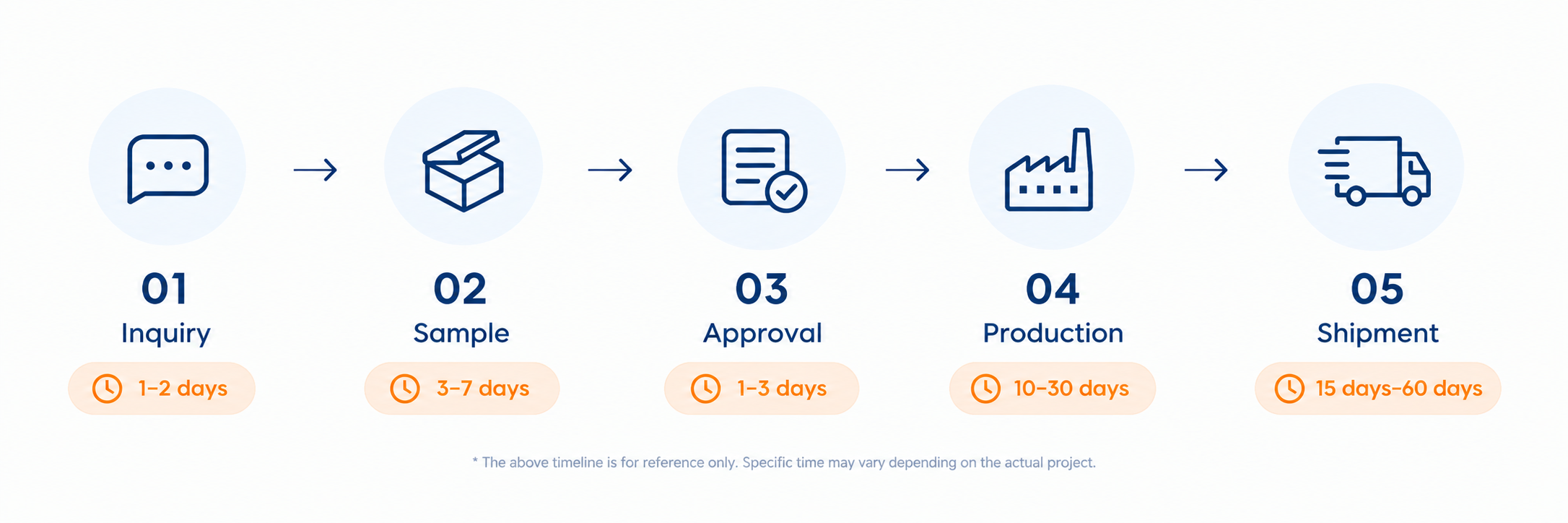
Good communication can prevent many packaging problems.
A reliable manufacturer should provide clear communication regarding:
Artwork confirmation
Material selection
Sample approval
Production status
Quality inspection
Shipping arrangements
For international packaging projects, fast communication can make project coordination significantly easier.
For international buyers, packaging production is only one part of the supply process.
The manufacturer should also be able to coordinate packaging and shipping according to the project's requirements.
Depending on order size and destination, packaging may be shipped by:
Sea freight
Air freight
Express
Other international logistics solutions
Before shipping, packaging should be properly packed to reduce the risk of damage during transportation.
This may include:
Carton packing
Palletization
Protective packing
Moisture protection where appropriate
International buyers may use different shipping terms depending on their purchasing arrangements, including:
FOB / CIF / DDP
The appropriate shipping method depends on destination, order volume, delivery requirements, and the buyer's logistics setup.
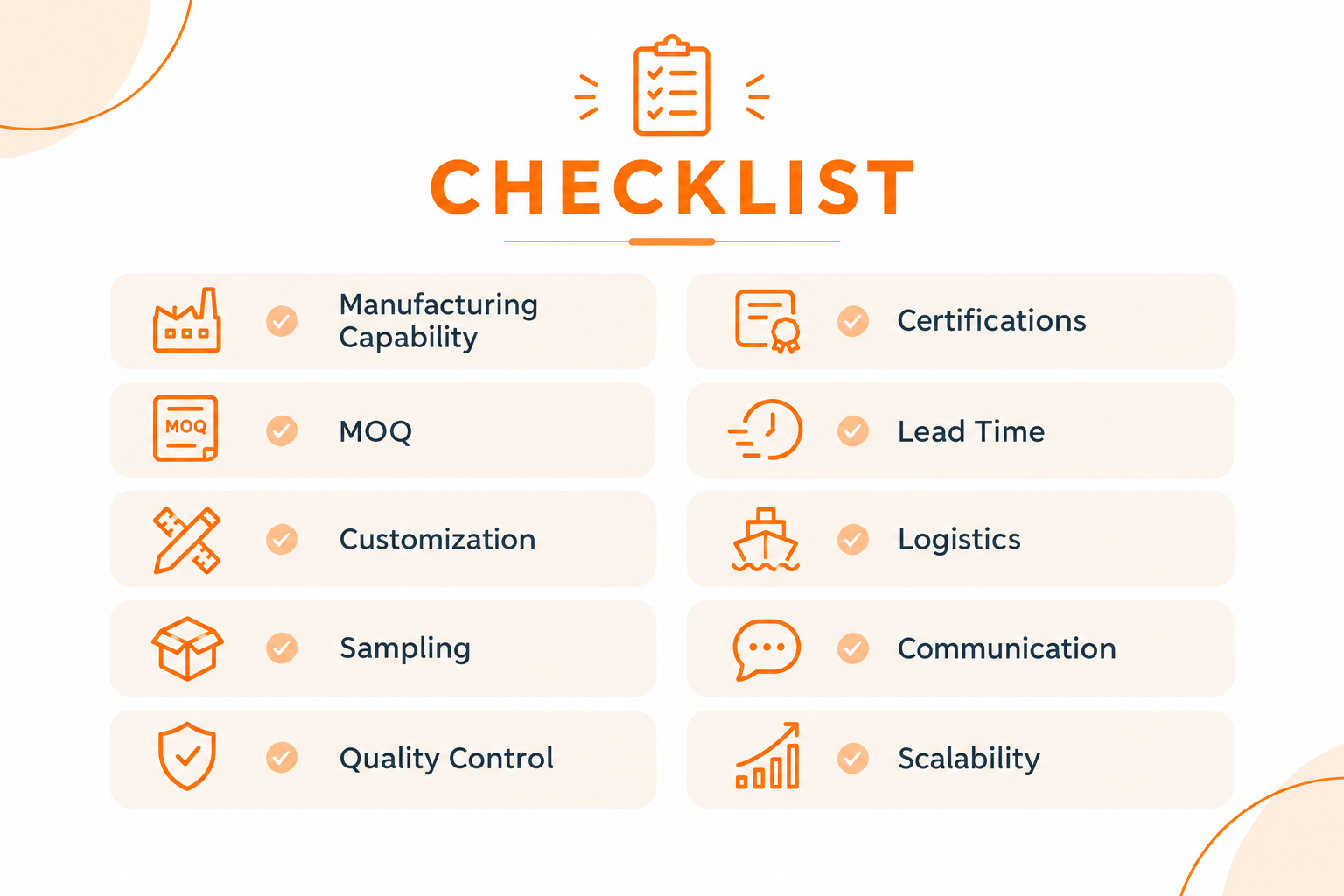
Before selecting a custom packaging manufacturer, ask the following questions:
Make sure the manufacturer has experience with your required packaging structures.
Confirm that the MOQ matches your purchasing plan.
This helps determine whether the manufacturer can handle your order volume.
Useful when your packaging requires custom structures or technical development.
A physical sample helps confirm the specifications before bulk manufacturing.
Check whether the manufacturer can meet your desired appearance and structural requirements.
Ask how quality is checked before and during production.
Review certifications relevant to your project and market.
Confirm the expected schedule before placing the order.
If a manufacturer can provide clear answers to these questions, you will have a much better basis for comparing suppliers and choosing a long-term packaging partner.
For example, Yison Printing provides information on its manufacturing capacity, customization capabilities, sampling process, quality control, certifications, production timelines, and international order support to help buyers evaluate whether its capabilities match their packaging requirements.
This is especially important for global brands with recurring packaging requirements.
Not every packaging supplier is equally suitable for long-term cooperation.
Before placing a bulk order, pay attention to potential warning signs.
If a supplier provides very little information about its production capabilities, it may be difficult to evaluate whether it can handle your order.
A quotation should clearly state important material and production specifications.
For customized packaging, producing in bulk without confirming a sample can increase project risks.
Slow or unclear responses during the quotation stage may create difficulties later during production.
Extremely short production promises should be evaluated carefully, especially for complex custom packaging.
A manufacturer should be able to explain how finished products are inspected.
If your business is expected to grow, consider whether the manufacturer can support larger recurring orders in the future.
If your business requires custom paper packaging for retail, e-commerce, apparel, footwear, or consumer products, choosing a manufacturer with the right combination of production capability, customization support, quality control, and project management can make a significant difference.
Yison Printing brings these capabilities together to support custom paper packaging projects from initial requirements and structural development to sampling, bulk production, quality inspection, packing, and international shipping.
| What Buyers Look For | What Yison Printing Provides |
Manufacturing Experience | 15+ years of packaging manufacturing experience |
| Production Facility | 13,000+㎡ |
| Production Lines | 10+ production lines |
| Monthly Capacity | Up to 500,000 boxes |
| Customization | Size, material, structure, printing, finishing and inserts |
| Design Support | Structural and graphic design support |
| Quality Control | Multi-stage production inspection |
| Certifications | FSC, ISO 9001, BSCI |
| Sampling | 1 - 3 days for typical sampling |
| Production | 10 -20 days for typical mass production |
| Global Orders | International packaging project support |
For brands purchasing packaging in bulk, the value of a manufacturing partner goes beyond the price of an individual box. Reliable production capacity, consistent quality, responsive communication, flexible customization, and the ability to support repeat orders can all contribute to a smoother packaging supply process.
Yison Printing is positioned to support companies that need custom paper packaging for ongoing retail, e-commerce, apparel, footwear, and consumer product packaging programs.
Choosing a custom packaging manufacturer is about more than finding a supplier that can produce a box. The right partner should understand your packaging requirements, provide suitable materials and customization options, maintain consistent quality, manage bulk production efficiently, and support the project from sampling through delivery.
For brands purchasing packaging regularly, production capacity, quality control, communication, lead time, and scalability can be just as important as the packaging itself.
Choosing a custom packaging manufacturer is about more than finding a supplier that can produce a box. The right partner should understand your packaging requirements, provide suitable materials and customization options, maintain consistent quality, manage bulk production efficiently, and support the project from sampling through delivery.
For brands looking for a reliable custom paper packaging manufacturer for bulk orders, Yison Printing offers integrated packaging manufacturing, customization, quality control, and international project support.
Looking for a Custom Paper Packaging Manufacturer?
Tell us about your packaging requirements, including box type, size, quantity, materials, and finishing preferences. Our team can help evaluate the suitable packaging solution for your project.


